Energy-Efficient Cooking Tips to Save Time and Money

Energy-Efficient Cooking Tips to Save Time and Money

Introduction

Cooking delicious meals doesn’t have to consume excessive time, energy, or money. By adopting energy-efficient cooking techniques, you can reduce utility bills, save time, and create healthier home-cooked meals. Here are some effective tips to enhance your kitchen’s efficiency.

1. Use the Right Cookware

Choosing the right cookware can dramatically improve energy efficiency. Opt for pots and pans with flat bottoms that make full contact with stovetops. Materials like cast iron, stainless steel, and copper conduct heat effectively, reducing cooking times. Additionally, always use lids on your cookware to trap heat and cook food faster.

2. Match the Burner Size to Your Cookware

Using a small pot on a large burner wastes energy. Conversely, placing a large pot on a small burner extends cooking time. Matching your cookware size to the appropriate burner ensures even heat distribution and minimizes wasted energy.

3. Embrace Pressure Cookers and Slow Cookers

Pressure cookers significantly reduce cooking time by using high pressure to cook food faster. Slow cookers, on the other hand, use minimal energy while preparing flavorful meals throughout the day. Both appliances offer energy-saving advantages, especially for soups, stews, and tender meats.

4. Cook with Residual Heat

Turn off the oven or stove a few minutes before your food is fully cooked. Residual heat continues to cook the dish without using additional energy. This method works especially well for pasta, rice, and roasted vegetables.

5. Batch Cooking for Efficiency

Preparing multiple meals at once optimizes your oven’s energy usage. Cooking larger portions and freezing individual servings reduces the need for frequent stovetop or oven use, saving both time and electricity.

6. Use Microwaves for Reheating

Microwaves consume significantly less energy than ovens or stovetops when reheating food. They heat food quickly and efficiently, making them ideal for warming leftovers or defrosting frozen items.

7. Opt for Energy-Efficient Appliances

Modern appliances with energy-saving certifications, such as ENERGY STAR-rated ovens or induction cooktops, consume less power and heat food faster. Investing in energy-efficient appliances pays off in the long run through reduced electricity bills.

8. Minimize Oven Door Opening

Each time you open your oven door, the internal temperature can drop by up to 25°F, causing the oven to work harder to regain heat. Use the oven light and window instead of opening the door to check on your food.

9. Cook with Smaller Appliances When Possible

Appliances like toaster ovens, air fryers, and electric griddles consume less energy than conventional ovens for smaller meals or snacks. Consider these options when preparing individual portions.

10. Plan Meals Strategically

Meal planning can prevent last-minute decisions that lead to inefficient cooking methods. Planning ahead allows you to defrost frozen items naturally (instead of using the microwave) and group similar recipes that use the same cooking techniques or temperatures.

Conclusion

Energy-efficient cooking is about making smart choices in your kitchen. By adopting these strategies, you can save time, reduce your energy bills, and cook healthier, more delicious meals. Start small by adjusting your cookware, appliance use, and cooking habits — and watch the benefits add up quickly.\


5-Minute Breakfast Ideas for Busy Mornings

5-Minute Breakfast Ideas for Busy Mornings

Introduction

Mornings can be hectic, leaving little time to prepare a nutritious breakfast. However, skipping breakfast can leave you feeling sluggish and unfocused. Fortunately, with the right ideas, you can whip up a quick yet satisfying breakfast in just five minutes. Here are some delicious and healthy options to fuel your day without the morning rush.

1. Avocado Toast with Egg

Avocado toast is a quick and healthy breakfast choice packed with nutrients. Simply toast whole-grain bread, mash half an avocado on top, and season with salt, pepper, and a sprinkle of chili flakes for added flavor. For extra protein, cook a fried or scrambled egg in just a couple of minutes and place it on top. This meal is rich in healthy fats, fiber, and protein, keeping you full and energized throughout the morning.

2. Greek Yogurt Parfait

A yogurt parfait is a speedy breakfast that requires zero cooking. Layer Greek yogurt with fresh berries and a handful of granola. Drizzle honey or maple syrup for added sweetness. This combo offers probiotics for gut health, antioxidants, and a satisfying crunch, making it a well-balanced meal in minutes.

3. Peanut Butter Banana Wrap

For a portable breakfast that’s both quick and delicious, try a peanut butter banana wrap. Spread peanut butter on a whole-wheat tortilla, place a peeled banana on top, and roll it up tightly. Slice into bite-sized pieces if desired. This snack is loaded with healthy fats, fiber, and potassium, ideal for boosting energy levels on busy mornings.

4. Microwave Oatmeal Bowl

Oatmeal is an excellent choice for a warm, filling breakfast. Combine half a cup of rolled oats with one cup of milk or water in a microwave-safe bowl. Microwave on high for 2-3 minutes, stirring halfway through. Add toppings like sliced bananas, berries, or a sprinkle of cinnamon for extra flavor. Oatmeal is packed with fiber and will keep you feeling satisfied for hours.

5. Cottage Cheese with Fruit

Cottage cheese is a protein powerhouse that pairs beautifully with fresh or frozen fruit. Combine half a cup of cottage cheese with sliced peaches, pineapple, or mixed berries. Sprinkle some flaxseeds or chia seeds for added fiber and omega-3 fatty acids. This simple meal is both creamy and refreshing, perfect for busy mornings.

6. Smoothie on the Go

For the ultimate grab-and-go breakfast, blend a smoothie in less than five minutes. Combine a banana, a handful of spinach, a cup of milk or plant-based alternative, and a scoop of protein powder or Greek yogurt. Blend until smooth and pour it into a travel cup. This energizing drink is packed with vitamins, minerals, and protein.

7. Breakfast Quesadilla

For a savory breakfast in minutes, try a breakfast quesadilla. Fill a tortilla with shredded cheese and scrambled eggs, fold it in half, and microwave for about one minute or heat it in a pan until the cheese melts. Add salsa or avocado slices for extra flavor. This fast, satisfying meal is perfect for busy mornings.

8. Overnight Chia Pudding

Prepare this ahead of time to have a ready-made breakfast waiting in the fridge. Mix 3 tablespoons of chia seeds with 1 cup of milk or a plant-based alternative. Add a touch of vanilla extract and maple syrup for sweetness. Stir well and refrigerate overnight. In the morning, top it with fruits or nuts for added texture and taste.

9. Apple and Almond Butter

For a super-fast, healthy breakfast, slice an apple and pair it with almond butter for dipping. This combination provides a balance of fiber, healthy fats, and protein. Sprinkle some cinnamon on top for extra flavor.

10. Breakfast Energy Bites

Prepare energy bites in advance for a grab-and-go breakfast. Combine oats, peanut butter, honey, and chocolate chips in a bowl, roll them into small balls, and refrigerate. These no-bake bites are rich in energy-boosting ingredients and perfect for those rushed mornings.

Conclusion

Even on your busiest mornings, you can enjoy a nutritious breakfast without sacrificing time or flavor. These quick ideas are easy to prepare, healthy, and will keep you energized throughout the day. By incorporating these fast breakfasts into your routine, you’ll never have to skip the most important meal of the day again.

How to Choose the Right Cookware for Your Kitchen

How to Choose the Right Cookware for Your Kitchen

Introduction

Choosing the right cookware can significantly improve your cooking experience. With so many materials, styles, and brands available, selecting the best cookware may feel overwhelming. Knowing what to look for can save you time, money, and frustration. Here’s a comprehensive guide to help you make informed decisions when choosing cookware for your kitchen.

1. Understand Different Cookware Materials

The type of material your cookware is made from directly affects its performance, durability, and maintenance. Here are the most common materials to consider:

  • Stainless Steel: Durable, non-reactive, and resistant to rust and staining. Ideal for searing, browning, and deglazing.
  • Cast Iron: Known for excellent heat retention and even cooking. Perfect for slow cooking and baking. Requires regular seasoning to maintain its surface.
  • Non-Stick: Great for low-fat cooking and easy cleanup. Avoid using metal utensils to preserve the coating.
  • Copper: Heats quickly and evenly. Often lined with stainless steel to prevent reactivity with food.
  • Ceramic: A non-toxic, eco-friendly option with a non-stick surface. Best suited for low to medium heat cooking.
  • Carbon Steel: Similar to cast iron but lighter and more responsive to heat changes. Ideal for stir-frying and high-heat cooking.

2. Choose the Right Cookware Based on Cooking Needs

Your cooking habits should guide your choices:

  • For Everyday Cooking: A good non-stick skillet and a stainless-steel saucepan are versatile essentials.
  • For Baking: Cast iron and oven-safe cookware are ideal.
  • For High-Heat Cooking: Carbon steel and stainless steel provide durability for searing and browning.
  • For Delicate Foods: Non-stick pans are perfect for eggs, fish, and pancakes.

3. Consider Cookware Sizes and Types

A well-rounded kitchen includes a variety of cookware sizes:

  • Skillet/Frying Pan: Ideal for frying, sautéing, and searing.
  • Saucepan: Best for boiling, simmering, and making sauces.
  • Stockpot: Essential for making soups, stews, and pasta.
  • Dutch Oven: Great for slow cooking, roasting, and baking bread.
  • Baking Sheets and Roasting Pans: Ideal for oven cooking and roasting vegetables.

4. Compatibility with Your Cooktop

Your cookware must be compatible with your stovetop:

  • Induction Cooktops: Require magnetic materials like stainless steel or cast iron.
  • Gas Stoves: Versatile but ensure even heat distribution with flat-bottomed pans.
  • Electric Stovetops: Require stable, heat-conducting materials like aluminum or copper-core cookware.

5. Durability and Maintenance

Choose cookware that suits your lifestyle:

  • Low-Maintenance Cookware: Stainless steel and non-stick require minimal upkeep.
  • Durable Choices: Cast iron and carbon steel last a lifetime but require occasional seasoning.
  • Easy-to-Clean Options: Non-stick and ceramic cookware offer fast cleanup.

6. Handle and Lid Considerations

  • Ergonomic Handles: Ensure they offer a secure, comfortable grip.
  • Heat-Resistant Handles: Ideal for moving cookware between stovetop and oven.
  • Transparent Lids: Help you monitor cooking without lifting the lid and losing heat.

7. Budget and Value for Money

Investing in high-quality cookware may cost more upfront but will often last longer and perform better. Prioritize quality pieces over extensive sets that include items you rarely use.

Conclusion

Selecting the right cookware can elevate your cooking skills and improve your overall kitchen experience. By considering materials, your cooking habits, and maintenance requirements, you can choose cookware that suits your needs perfectly. Invest in durable, versatile pieces, and you’ll enjoy hassle-free cooking for years to come.

Common Cooking Mistakes and How to Avoid Them

Common Cooking Mistakes and How to Avoid Them

Introduction

Cooking is a rewarding skill, but even seasoned home chefs can stumble over common mistakes that affect the flavor, texture, and quality of their dishes. By learning what these mistakes are and how to avoid them, you can elevate your cooking skills and achieve better results in the kitchen.

1. Overcrowding the Pan Overloading your pan with too many ingredients can cause uneven cooking and prevent food from browning properly. When ingredients are too close together, they steam instead of sear, leaving you with soggy and less flavorful results. Avoid this by giving your ingredients enough space to cook evenly. If needed, cook in batches.

2. Not Preheating the Pan Skipping the step of preheating your pan can result in unevenly cooked food. A cold pan causes food to stick and cook unevenly. Always allow your pan to reach the desired temperature before adding ingredients to ensure proper searing and caramelization.

3. Misjudging Cooking Times Overcooking or undercooking your food can easily ruin a dish. To avoid this, use timers and follow recommended cooking times. Investing in a meat thermometer can help you cook proteins to perfection without guesswork.

4. Improper Seasoning Seasoning your food correctly is key to enhancing flavor. One common mistake is adding salt too late in the cooking process, which may lead to uneven seasoning. Instead, season gradually throughout cooking for a balanced flavor profile.

5. Ignoring Resting Time for Meat Cutting into meat immediately after cooking releases its juices, resulting in dry and less flavorful cuts. Allow cooked meat to rest for at least 5-10 minutes before slicing. This allows the juices to redistribute, ensuring tender and juicy meat.

6. Using Dull Knives Dull knives make cutting inefficient and dangerous. A sharp knife allows for precision and reduces the risk of slipping. Regularly sharpen your knives and use a proper cutting board to maintain their edge.

7. Neglecting to Taste as You Cook Relying solely on recipes without tasting your food during cooking can lead to bland or overly seasoned dishes. Regularly sampling your food allows you to adjust seasonings, spices, or acidity as needed for balanced flavors.

8. Overcomplicating Recipes Adding too many ingredients can overwhelm your dish and mask key flavors. Keep recipes simple and focus on quality ingredients to let natural flavors shine. Mastering basic techniques often produces the most impressive results.

9. Improper Use of Cooking Oil Using the wrong type of oil for the wrong method can affect both flavor and texture. For high-heat cooking like frying or searing, use oils with a high smoke point such as canola or avocado oil. For low-heat cooking or salad dressings, olive oil is ideal.

10. Forgetting to Read the Recipe First Skipping steps or overlooking key instructions can lead to poor results. Always read the entire recipe before you start cooking to understand the steps, required tools, and cooking times. This simple habit helps you stay organized and prevents mistakes.

Conclusion

By avoiding these common cooking pitfalls, you’ll develop better culinary skills and improve your success in the kitchen. Focus on preparation, organization, and practice, and soon you’ll be serving up delicious dishes with confidence and ease.

Mastering the Art of Seasoning: Spice Pairing Guide

Mastering the Art of Seasoning: Spice Pairing Guide

Introduction

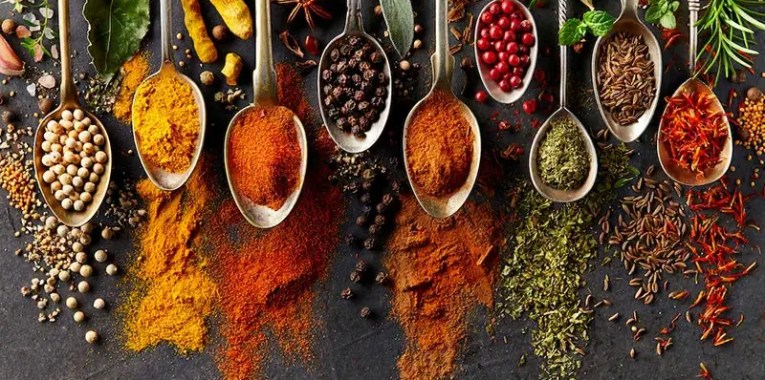
Seasoning is the key to transforming a simple dish into a memorable culinary experience. Understanding which spices complement each other and how they enhance different ingredients can elevate your cooking skills. Whether you’re a beginner or a seasoned home cook, mastering spice pairings will unlock new flavor dimensions in your meals.

The Basics of Seasoning

Seasoning involves enhancing food’s natural flavors through salt, herbs, spices, and other flavorings. While salt and pepper are staples, a diverse range of spices can create richer, more complex tastes. Knowing how to pair these spices is crucial for achieving balanced and delightful dishes.

Essential Spice Pairing Guide

1. Salt and Pepper

  • Ideal with: Almost everything
  • Salt enhances natural flavors, while pepper adds warmth and mild heat. They form the base for most savory dishes.

2. Garlic Powder and Onion Powder

  • Ideal with: Meats, vegetables, sauces
  • This powerful duo brings savory depth and works well in marinades, rubs, and dressings.

3. Paprika and Cumin

  • Ideal with: Tacos, roasted vegetables, grilled meats
  • Paprika offers sweetness and smokiness, while cumin delivers earthy warmth, perfect for hearty dishes.

4. Basil and Oregano

  • Ideal with: Italian dishes, pasta sauces, pizzas
  • These classic Mediterranean herbs provide freshness and a hint of bitterness, ideal for tomato-based recipes.

5. Rosemary and Thyme

  • Ideal with: Roasted potatoes, poultry, bread
  • Their pine-like aroma and woody flavor are perfect for rich, savory dishes.

6. Cinnamon and Nutmeg

  • Ideal with: Desserts, oatmeal, baked goods
  • While both add warmth and sweetness, cinnamon is bolder, and nutmeg provides a subtle earthy tone.

7. Ginger and Turmeric

  • Ideal with: Curries, stir-fries, rice dishes
  • Ginger’s zesty warmth pairs beautifully with turmeric’s earthy bitterness, common in Indian and Asian cuisine.

8. Coriander and Cilantro

  • Ideal with: Mexican dishes, salads, salsas
  • Coriander offers a mild citrus flavor, while fresh cilantro adds brightness and aroma.

9. Cardamom and Clove

  • Ideal with: Chai tea, stews, spiced cookies
  • Cardamom’s floral warmth pairs well with clove’s bold, slightly sweet flavor.

10. Dill and Parsley

  • Ideal with: Seafood, salads, dips
  • Dill’s tangy, slightly sweet taste pairs beautifully with parsley’s mild, grassy notes for fresh, vibrant flavors.

How to Build Flavor in Your Dishes

  1. Start Small: Add spices in small amounts and gradually increase to taste.
  2. Layer Flavors: Combine herbs and spices at different cooking stages to build depth.
  3. Use Whole Spices: Whole spices like cumin seeds or cardamom pods offer bolder flavors when toasted and ground fresh.
  4. Balance Heat and Sweetness: Spicy dishes benefit from subtle sweetness (like honey or cinnamon) to counterbalance the heat.
  5. Experiment: Don’t be afraid to try new combinations — cooking is an art of exploration.

Spice Storage Tips

Proper storage helps maintain spice potency:

  • Store spices in airtight containers, away from heat, moisture, and sunlight.
  • Label your spices with purchase dates to track freshness.
  • Ground spices typically last 6 months to a year, while whole spices can stay fresh for up to 3 years.

Conclusion

Mastering spice pairings allows you to add bold, nuanced flavors to your dishes. By exploring new combinations and understanding which spices enhance different ingredients, you’ll gain the confidence to cook with creativity and flair. Whether you’re preparing hearty dinners, vibrant salads, or indulgent desserts, the right seasonings can make your meals unforgettable.

Healthy One-Pot Recipes for Quick Dinners

Healthy One-Pot Recipes for Quick Dinners

Introduction

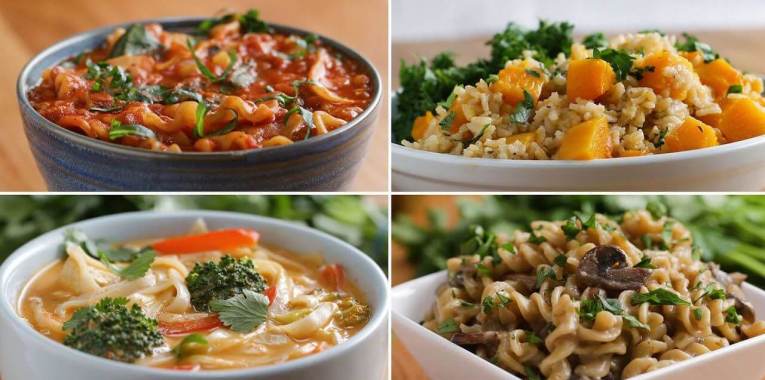
After a long day, preparing a healthy, home-cooked meal can feel overwhelming. That’s where one-pot recipes shine! These simple yet delicious dishes minimize cleanup, save time, and deliver nutritious results. Whether you’re feeding a family or cooking for yourself, these one-pot recipes are perfect for quick and healthy dinners.

1. One-Pot Chicken and Quinoa Skillet

This protein-packed dish combines lean chicken breast, nutrient-rich quinoa, and fresh vegetables in one pan. Start by sautéing diced chicken in olive oil until golden. Add chopped bell peppers, onions, and garlic for flavor. Stir in quinoa, low-sodium chicken broth, and your favorite seasonings. Let it simmer until the quinoa is tender and the chicken is cooked through. A sprinkle of fresh parsley adds a burst of freshness.

2. Hearty Lentil and Vegetable Soup

For a comforting yet healthy option, try a rich lentil and vegetable soup. In a large pot, sauté onions, carrots, and celery until softened. Add garlic, diced tomatoes, and dry lentils. Pour in vegetable broth and bring to a boil. Simmer for 30 minutes until the lentils are tender. Add spinach or kale just before serving for an extra boost of vitamins and minerals.

3. One-Pan Lemon Garlic Shrimp Pasta

This zesty seafood dish is perfect for busy nights. Start by cooking whole-grain pasta in a large skillet with just enough water to cover the noodles. As the pasta cooks, add garlic, cherry tomatoes, and shrimp directly to the pan. The shrimp cook quickly, absorbing the rich garlic-lemon flavor. Finish with a squeeze of fresh lemon and a sprinkle of parsley for a light yet satisfying dinner.

4. Spicy Black Bean and Rice Bowl

For a plant-based protein fix, this spicy black bean and rice bowl is a winner. Begin by cooking onions and bell peppers in a pot with a splash of oil. Add canned black beans, cooked rice, diced tomatoes, and your favorite spices such as cumin and chili powder. Stir well and simmer until heated through. Garnish with avocado slices and fresh cilantro for a delicious, wholesome meal.

5. Creamy One-Pot Mushroom Risotto

This creamy yet healthy mushroom risotto offers rich flavor without excessive calories. Start by sautéing mushrooms and onions in a pan. Add Arborio rice and toast it lightly before pouring in vegetable broth one cup at a time. Stir frequently until the rice is creamy and tender. A splash of low-fat milk and grated Parmesan adds creaminess without too much fat.

6. One-Pot Turkey Chili

This high-protein, low-fat turkey chili is both hearty and nutritious. In a large pot, brown lean ground turkey with onions and garlic. Add diced tomatoes, kidney beans, and corn, along with chili seasoning. Let it simmer for 20-30 minutes to develop bold flavors. Serve with Greek yogurt as a healthier alternative to sour cream.

7. One-Pot Asian Stir-Fry Noodles

For a quick and tasty dinner, try this stir-fry loaded with colorful veggies and noodles. Sauté bell peppers, broccoli, and carrots in a pan. Add cooked soba or whole-wheat noodles, soy sauce, and a dash of sesame oil for flavor. Toss everything together for a nutrient-packed meal that’s ready in minutes.

Conclusion

One-pot meals are perfect for busy cooks who want to maintain a healthy lifestyle without spending hours in the kitchen. By using fresh ingredients, lean proteins, and whole grains, you can create delicious, balanced dinners in no time. Give these one-pot recipes a try, and enjoy fewer dishes and more time to relax at the end of your day.

Smart Storage Solutions for a Clutter-Free Kitchen

Smart Storage Solutions for a Clutter-Free Kitchen

Introduction

A cluttered kitchen can make cooking stressful and inefficient. By implementing smart storage solutions, you can create a clean, organized space that enhances both functionality and aesthetics. Whether you have a compact apartment kitchen or a spacious layout, these tips will help you maximize storage and keep your kitchen clutter-free.

1. Utilize Vertical Space

Maximize every inch of your kitchen by utilizing vertical space. Install shelves above countertops, place hooks on walls for hanging utensils, and add magnetic strips for knives or spice jars. Overhead racks for pots and pans also free up valuable cabinet space.

2. Drawer Dividers for Efficiency

Messy drawers waste time and make finding essential tools frustrating. Install adjustable dividers to separate utensils, measuring spoons, and other small items. This keeps everything organized and easy to access.

3. Stackable Containers for Pantry Organization

Invest in clear, stackable containers for dry goods like flour, rice, and cereal. These containers not only save space but also keep food fresh longer. Labeling each container makes locating ingredients quick and simple.

4. Pull-Out Shelves for Deep Cabinets

Deep cabinets can make items hard to reach and easy to forget. Installing pull-out shelves ensures everything from canned goods to cookware is easily accessible. These sliding solutions prevent clutter from accumulating in hard-to-reach areas.

5. Over-the-Sink Cutting Board and Drying Rack

An over-the-sink cutting board provides additional workspace in small kitchens. Similarly, an over-the-sink drying rack helps save counter space while still allowing dishes to dry efficiently.

6. Hang Baskets for Extra Storage

Hanging baskets from the ceiling or under cabinets is an excellent way to store fruits, vegetables, or kitchen tools. These baskets keep produce fresh, while freeing up countertop and fridge space.

7. Use the Inside of Cabinet Doors

Cabinet doors offer valuable hidden storage opportunities. Install hooks, adhesive organizers, or slim shelves inside doors to hold pot lids, measuring cups, or cleaning supplies.

8. Magnetic Spice Racks

Magnetic spice racks free up drawer and countertop space by securely storing spice jars on your fridge or a metal wall strip. This solution keeps your most-used seasonings within arm’s reach.

9. Install a Pegboard for Flexible Storage

A pegboard provides customizable storage for pots, pans, and cooking tools. Mount one on a kitchen wall and rearrange hooks as needed to adapt to your evolving storage needs.

10. Maximize Under-Sink Storage

The area under the sink often becomes a clutter zone. Use stackable bins, tension rods to hang spray bottles, and door-mounted baskets to organize cleaning supplies, sponges, and trash bags efficiently.

Conclusion

A well-organized kitchen not only improves efficiency but also makes cooking and meal preparation more enjoyable. By implementing these smart storage solutions, you can transform your kitchen into a clutter-free, functional space. With everything neatly arranged and easy to find, you’ll spend less time searching and more time creating delicious meals.

How to Meal Prep Like a Pro: Tips for Beginners

How to Meal Prep Like a Pro: Tips for Beginners

Introduction

Meal prepping is a powerful strategy for saving time, reducing stress, and maintaining a healthy diet. Whether you’re juggling a busy schedule or aiming to eat better, learning how to meal prep effectively can transform your weekly routine. Here are essential tips for beginners looking to master meal prep like a pro.

1. Start with a Simple Meal Plan

Before you dive into prepping, outline a weekly meal plan. Choose simple recipes that use overlapping ingredients to minimize waste and cut down on cooking time. Start with familiar dishes to build confidence, and gradually expand your variety.

2. Make a Detailed Grocery List

A well-organized shopping list is crucial for successful meal prep. Categorize items by sections of the grocery store (produce, proteins, pantry staples) to streamline your shopping trip. Sticking to your list will also prevent impulse purchases and ensure you have everything you need.

3. Choose the Right Storage Containers

Invest in durable, airtight containers in various sizes. Glass containers are ideal for reheating meals, while BPA-free plastic containers are lightweight and easy to transport. Use compartmentalized containers for portion control and balanced meals.

4. Prep Ingredients in Batches

To save time, prepare similar ingredients together. For example, chop all vegetables, cook grains, and marinate proteins at once. By batching these steps, you’ll minimize cleanup and speed up your overall meal prep process.

5. Cook in Bulk

Select recipes that can be cooked in large quantities. Soups, stews, casseroles, and pasta dishes are perfect for batch cooking. Divide these meals into individual portions for quick grab-and-go options throughout the week.

6. Label and Date Everything

Clear labeling helps you stay organized and ensures nothing goes to waste. Mark each container with the meal type and preparation date. This method keeps your fridge and freezer tidy while making it easy to track what needs to be eaten first.

7. Focus on Versatile Ingredients

Choose ingredients that can be used in multiple dishes to maximize variety. For instance, roasted vegetables can be added to salads, wraps, or grain bowls. Cooked chicken can easily be used in tacos, stir-fries, or pasta dishes.

8. Prioritize Balance and Nutrition

A successful meal prep plan includes a mix of protein, healthy fats, and carbohydrates. Incorporate plenty of fresh vegetables, whole grains, and lean proteins to ensure your meals are both filling and nutritious.

9. Schedule Dedicated Prep Time

Set aside a specific day and time each week for meal prepping. Dedicating 2-3 hours on a weekend or quiet evening can save you hours of cooking during the week.

10. Don’t Forget Snacks and Breakfasts

Meal prep isn’t just for dinner! Preparing healthy snacks like fruit cups, yogurt parfaits, or homemade energy bars can help you stay on track. Overnight oats, egg muffins, or smoothie bags are perfect for quick morning meals.

Conclusion

By following these beginner-friendly tips, you can simplify your weekly routine and make healthy eating more manageable. Meal prepping may require some practice, but with consistency, you’ll soon enjoy the rewards of saved time, reduced stress, and delicious homemade meals. Start small, stay organized, and watch your confidence grow in the kitchen.

Essential Cooking Tools Every Home Chef Needs

Essential Cooking Tools Every Home Chef Needs

Introduction

Having the right tools in your kitchen can make a world of difference when it comes to preparing delicious and efficient meals. Whether you’re a novice cook or an experienced home chef, investing in essential cooking tools can improve your cooking experience and results. Below are must-have kitchen tools that every home chef should own.

1. Chef’s Knife

A high-quality chef’s knife is the backbone of any kitchen. Its versatility allows you to chop vegetables, slice meat, and even mince herbs with precision. Investing in a sharp, durable knife with a comfortable handle will make your prep work faster and safer.

2. Cutting Board

A sturdy cutting board is crucial for food preparation. Consider having two types: one for raw meats and another for fruits and vegetables to avoid cross-contamination. Wooden or bamboo boards are great for durability, while plastic boards are easy to sanitize.

3. Measuring Cups and Spoons

Accurate measuring tools are essential for following recipes and ensuring balanced flavors. Choose a set that includes both dry and liquid measuring cups, as well as various spoon sizes for precision.

4. Mixing Bowls

Mixing bowls in various sizes are perfect for everything from marinating meat to tossing salads. Stainless steel, glass, or durable plastic options are versatile and easy to clean.

5. Cast Iron Skillet

A cast iron skillet is incredibly versatile and durable. Ideal for searing, frying, baking, and even grilling, this tool offers excellent heat retention and adds rich flavors to dishes.

6. Non-Stick Frying Pan

For easy cooking and cleaning, a quality non-stick frying pan is a must. It’s perfect for eggs, pancakes, and other delicate foods that require minimal oil.

7. Saucepan and Stockpot

A saucepan is ideal for heating liquids, making sauces, or cooking grains. Meanwhile, a stockpot is perfect for preparing soups, stews, and pasta in large quantities.

8. Baking Sheet and Roasting Pan

Baking sheets are essential for roasting vegetables, baking cookies, or crisping appetizers. A durable roasting pan is ideal for cooking meats or hearty dishes that require even heat distribution.

9. Spatulas and Tongs

Heat-resistant spatulas make flipping, stirring, and scraping simple, while sturdy tongs are perfect for grilling or tossing salads.

10. Kitchen Thermometer

To ensure meats are cooked to safe temperatures, a digital kitchen thermometer is invaluable. It helps avoid undercooking or overcooking your dishes.

11. Colander

A durable colander makes draining pasta, rinsing vegetables, and washing grains much easier. Stainless steel or plastic options are both effective.

12. Blender or Food Processor

A blender is excellent for smoothies, soups, and sauces, while a food processor simplifies chopping, grating, and pureeing.

13. Instant-Read Thermometer

For precision cooking, an instant-read thermometer helps ensure your food is cooked perfectly every time.

14. Whisk and Wooden Spoons

A sturdy whisk is perfect for mixing batters, whipping cream, or beating eggs. Meanwhile, wooden spoons are gentle on cookware and ideal for stirring sauces or sautéing vegetables.

15. Storage Containers

A set of airtight containers helps keep your leftovers fresh and makes meal prepping easier. Clear containers allow you to easily identify their contents, saving time during busy days.

Conclusion

Equipping your kitchen with these essential tools will simplify your cooking process and improve the quality of your meals. Investing in high-quality, versatile items ensures durability and efficiency. By having these key tools on hand, you’ll be well-prepared to create delicious dishes with confidence and ease.

Girl in chef uniform with clock and veggies at kitchen stock photo

Time-Saving Kitchen Hacks for Busy Cooks

Introduction

Cooking delicious, home-cooked meals doesn’t have to be time-consuming. Whether you’re balancing work, family, or just a packed schedule, using smart kitchen hacks can save time and effort without compromising on flavor. Here are some practical tips to help you cook smarter, faster, and with less stress.

1. Organize Your Kitchen Efficiently

A well-organized kitchen is key to reducing time spent searching for utensils and ingredients. Use clear containers to store dry goods like pasta, rice, and flour. Label everything to avoid confusion, and group similar items together — spices in one place, baking essentials in another. Keeping your most-used tools easily accessible will drastically cut down on prep time.

2. Prep Ingredients in Advance

Spend some time on the weekend or on less busy days prepping key ingredients. Chop vegetables, marinate proteins, and portion out grains for the week ahead. Storing these in airtight containers keeps them fresh and makes weeknight cooking much faster.

3. Embrace One-Pot and Sheet Pan Meals

One-pot dishes like soups, stews, and pasta dishes minimize cleanup and simplify cooking. Similarly, sheet pan recipes allow you to roast everything — meat, veggies, and even sauces — all in one go. This technique saves both cooking time and washing up afterward.

4. Master the Power of Kitchen Gadgets

Investing in time-saving gadgets can transform your cooking routine. Use a food processor to quickly chop vegetables, a pressure cooker for fast stews, or an air fryer for quick, crispy meals. These tools minimize effort and maximize efficiency.

5. Cook in Batches and Freeze
Batch cooking is a lifesaver for busy individuals. Prepare large quantities of sauces, soups, or casseroles and freeze them in portions. On busy days, simply reheat and enjoy a homemade meal without the hassle of starting from scratch.

6. Use Pre-Cut and Pre-Washed Ingredients While fresh-from-scratch cooking is ideal, sometimes convenience wins. Pre-washed salad greens, pre-cut vegetables, and peeled garlic can shave minutes off your prep time. These options are perfect for when you’re in a pinch.

7. Optimize Your Cooking Order

Plan your steps strategically. Start cooking the ingredients that take the longest first. For example, put grains or roasted vegetables in the oven while you prepare the rest of your meal. Multitasking efficiently helps everything come together at the same time.

8. Clean as You Go

Keeping your workspace tidy as you cook can save time in the long run. Wash dishes, wipe counters, and discard scraps during downtime (like while food simmers or bakes). This ensures you won’t face a daunting cleanup when your meal is ready.

9. Create a Weekly Meal Plan

Planning your meals in advance saves time spent deciding what to cook. A solid meal plan helps you shop efficiently, ensures you have all necessary ingredients, and reduces last-minute takeout orders.

10. Embrace Leftovers Creatively

Transform leftovers into new dishes to reduce both cooking time and food waste. For example, roasted chicken can become tacos, salads, or pasta toppings the next day. This strategy makes meal preparation easier and tastier.

Conclusion
By incorporating these simple kitchen hacks into your routine, you’ll save valuable time and make cooking an enjoyable part of your day. Whether you’re a novice or experienced cook, these tricks can streamline your efforts and help you serve up quick, delicious meals with ease.