Introduction
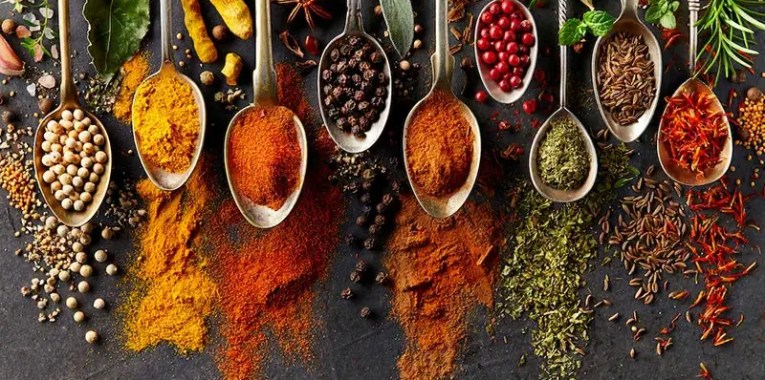
Seasoning is the key to transforming a simple dish into a memorable culinary experience. Understanding which spices complement each other and how they enhance different ingredients can elevate your cooking skills. Whether you’re a beginner or a seasoned home cook, mastering spice pairings will unlock new flavor dimensions in your meals.
The Basics of Seasoning
Seasoning involves enhancing food’s natural flavors through salt, herbs, spices, and other flavorings. While salt and pepper are staples, a diverse range of spices can create richer, more complex tastes. Knowing how to pair these spices is crucial for achieving balanced and delightful dishes.
Essential Spice Pairing Guide
1. Salt and Pepper
- Ideal with: Almost everything
- Salt enhances natural flavors, while pepper adds warmth and mild heat. They form the base for most savory dishes.
2. Garlic Powder and Onion Powder
- Ideal with: Meats, vegetables, sauces
- This powerful duo brings savory depth and works well in marinades, rubs, and dressings.
3. Paprika and Cumin
- Ideal with: Tacos, roasted vegetables, grilled meats
- Paprika offers sweetness and smokiness, while cumin delivers earthy warmth, perfect for hearty dishes.
4. Basil and Oregano
- Ideal with: Italian dishes, pasta sauces, pizzas
- These classic Mediterranean herbs provide freshness and a hint of bitterness, ideal for tomato-based recipes.
5. Rosemary and Thyme
- Ideal with: Roasted potatoes, poultry, bread
- Their pine-like aroma and woody flavor are perfect for rich, savory dishes.
6. Cinnamon and Nutmeg
- Ideal with: Desserts, oatmeal, baked goods
- While both add warmth and sweetness, cinnamon is bolder, and nutmeg provides a subtle earthy tone.
7. Ginger and Turmeric
- Ideal with: Curries, stir-fries, rice dishes
- Ginger’s zesty warmth pairs beautifully with turmeric’s earthy bitterness, common in Indian and Asian cuisine.
8. Coriander and Cilantro
- Ideal with: Mexican dishes, salads, salsas
- Coriander offers a mild citrus flavor, while fresh cilantro adds brightness and aroma.
9. Cardamom and Clove
- Ideal with: Chai tea, stews, spiced cookies
- Cardamom’s floral warmth pairs well with clove’s bold, slightly sweet flavor.
10. Dill and Parsley
- Ideal with: Seafood, salads, dips
- Dill’s tangy, slightly sweet taste pairs beautifully with parsley’s mild, grassy notes for fresh, vibrant flavors.
How to Build Flavor in Your Dishes
- Start Small: Add spices in small amounts and gradually increase to taste.
- Layer Flavors: Combine herbs and spices at different cooking stages to build depth.
- Use Whole Spices: Whole spices like cumin seeds or cardamom pods offer bolder flavors when toasted and ground fresh.
- Balance Heat and Sweetness: Spicy dishes benefit from subtle sweetness (like honey or cinnamon) to counterbalance the heat.
- Experiment: Don’t be afraid to try new combinations — cooking is an art of exploration.
Spice Storage Tips
Proper storage helps maintain spice potency:
- Store spices in airtight containers, away from heat, moisture, and sunlight.
- Label your spices with purchase dates to track freshness.
- Ground spices typically last 6 months to a year, while whole spices can stay fresh for up to 3 years.
Conclusion
Mastering spice pairings allows you to add bold, nuanced flavors to your dishes. By exploring new combinations and understanding which spices enhance different ingredients, you’ll gain the confidence to cook with creativity and flair. Whether you’re preparing hearty dinners, vibrant salads, or indulgent desserts, the right seasonings can make your meals unforgettable.




 Kitchens op Food