
Common Cooking Mistakes and How to Avoid Them

Common Cooking Mistakes and How to Avoid Them

Introduction

Cooking is a rewarding skill, but even seasoned home chefs can stumble over common mistakes that affect the flavor, texture, and quality of their dishes. By learning what these mistakes are and how to avoid them, you can elevate your cooking skills and achieve better results in the kitchen.

1. Overcrowding the Pan Overloading your pan with too many ingredients can cause uneven cooking and prevent food from browning properly. When ingredients are too close together, they steam instead of sear, leaving you with soggy and less flavorful results. Avoid this by giving your ingredients enough space to cook evenly. If needed, cook in batches.

2. Not Preheating the Pan Skipping the step of preheating your pan can result in unevenly cooked food. A cold pan causes food to stick and cook unevenly. Always allow your pan to reach the desired temperature before adding ingredients to ensure proper searing and caramelization.

3. Misjudging Cooking Times Overcooking or undercooking your food can easily ruin a dish. To avoid this, use timers and follow recommended cooking times. Investing in a meat thermometer can help you cook proteins to perfection without guesswork.

4. Improper Seasoning Seasoning your food correctly is key to enhancing flavor. One common mistake is adding salt too late in the cooking process, which may lead to uneven seasoning. Instead, season gradually throughout cooking for a balanced flavor profile.

5. Ignoring Resting Time for Meat Cutting into meat immediately after cooking releases its juices, resulting in dry and less flavorful cuts. Allow cooked meat to rest for at least 5-10 minutes before slicing. This allows the juices to redistribute, ensuring tender and juicy meat.

6. Using Dull Knives Dull knives make cutting inefficient and dangerous. A sharp knife allows for precision and reduces the risk of slipping. Regularly sharpen your knives and use a proper cutting board to maintain their edge.

7. Neglecting to Taste as You Cook Relying solely on recipes without tasting your food during cooking can lead to bland or overly seasoned dishes. Regularly sampling your food allows you to adjust seasonings, spices, or acidity as needed for balanced flavors.

8. Overcomplicating Recipes Adding too many ingredients can overwhelm your dish and mask key flavors. Keep recipes simple and focus on quality ingredients to let natural flavors shine. Mastering basic techniques often produces the most impressive results.

9. Improper Use of Cooking Oil Using the wrong type of oil for the wrong method can affect both flavor and texture. For high-heat cooking like frying or searing, use oils with a high smoke point such as canola or avocado oil. For low-heat cooking or salad dressings, olive oil is ideal.

10. Forgetting to Read the Recipe First Skipping steps or overlooking key instructions can lead to poor results. Always read the entire recipe before you start cooking to understand the steps, required tools, and cooking times. This simple habit helps you stay organized and prevents mistakes.

Conclusion

By avoiding these common cooking pitfalls, you’ll develop better culinary skills and improve your success in the kitchen. Focus on preparation, organization, and practice, and soon you’ll be serving up delicious dishes with confidence and ease.
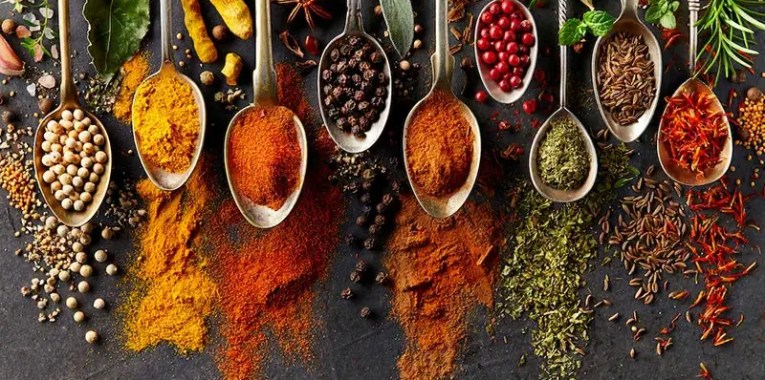
Mastering the Art of Seasoning: Spice Pairing Guide

Mastering the Art of Seasoning: Spice Pairing Guide

Introduction

Seasoning is the key to transforming a simple dish into a memorable culinary experience. Understanding which spices complement each other and how they enhance different ingredients can elevate your cooking skills. Whether you’re a beginner or a seasoned home cook, mastering spice pairings will unlock new flavor dimensions in your meals.

The Basics of Seasoning

Seasoning involves enhancing food’s natural flavors through salt, herbs, spices, and other flavorings. While salt and pepper are staples, a diverse range of spices can create richer, more complex tastes. Knowing how to pair these spices is crucial for achieving balanced and delightful dishes.

Essential Spice Pairing Guide

1. Salt and Pepper

  • Ideal with: Almost everything
  • Salt enhances natural flavors, while pepper adds warmth and mild heat. They form the base for most savory dishes.

2. Garlic Powder and Onion Powder

  • Ideal with: Meats, vegetables, sauces
  • This powerful duo brings savory depth and works well in marinades, rubs, and dressings.

3. Paprika and Cumin

  • Ideal with: Tacos, roasted vegetables, grilled meats
  • Paprika offers sweetness and smokiness, while cumin delivers earthy warmth, perfect for hearty dishes.

4. Basil and Oregano

  • Ideal with: Italian dishes, pasta sauces, pizzas
  • These classic Mediterranean herbs provide freshness and a hint of bitterness, ideal for tomato-based recipes.

5. Rosemary and Thyme

  • Ideal with: Roasted potatoes, poultry, bread
  • Their pine-like aroma and woody flavor are perfect for rich, savory dishes.

6. Cinnamon and Nutmeg

  • Ideal with: Desserts, oatmeal, baked goods
  • While both add warmth and sweetness, cinnamon is bolder, and nutmeg provides a subtle earthy tone.

7. Ginger and Turmeric

  • Ideal with: Curries, stir-fries, rice dishes
  • Ginger’s zesty warmth pairs beautifully with turmeric’s earthy bitterness, common in Indian and Asian cuisine.

8. Coriander and Cilantro

  • Ideal with: Mexican dishes, salads, salsas
  • Coriander offers a mild citrus flavor, while fresh cilantro adds brightness and aroma.

9. Cardamom and Clove

  • Ideal with: Chai tea, stews, spiced cookies
  • Cardamom’s floral warmth pairs well with clove’s bold, slightly sweet flavor.

10. Dill and Parsley

  • Ideal with: Seafood, salads, dips
  • Dill’s tangy, slightly sweet taste pairs beautifully with parsley’s mild, grassy notes for fresh, vibrant flavors.

How to Build Flavor in Your Dishes

  1. Start Small: Add spices in small amounts and gradually increase to taste.
  2. Layer Flavors: Combine herbs and spices at different cooking stages to build depth.
  3. Use Whole Spices: Whole spices like cumin seeds or cardamom pods offer bolder flavors when toasted and ground fresh.
  4. Balance Heat and Sweetness: Spicy dishes benefit from subtle sweetness (like honey or cinnamon) to counterbalance the heat.
  5. Experiment: Don’t be afraid to try new combinations — cooking is an art of exploration.

Spice Storage Tips

Proper storage helps maintain spice potency:

  • Store spices in airtight containers, away from heat, moisture, and sunlight.
  • Label your spices with purchase dates to track freshness.
  • Ground spices typically last 6 months to a year, while whole spices can stay fresh for up to 3 years.

Conclusion

Mastering spice pairings allows you to add bold, nuanced flavors to your dishes. By exploring new combinations and understanding which spices enhance different ingredients, you’ll gain the confidence to cook with creativity and flair. Whether you’re preparing hearty dinners, vibrant salads, or indulgent desserts, the right seasonings can make your meals unforgettable.

Healthy One-Pot Recipes for Quick Dinners

Healthy One-Pot Recipes for Quick Dinners

Introduction

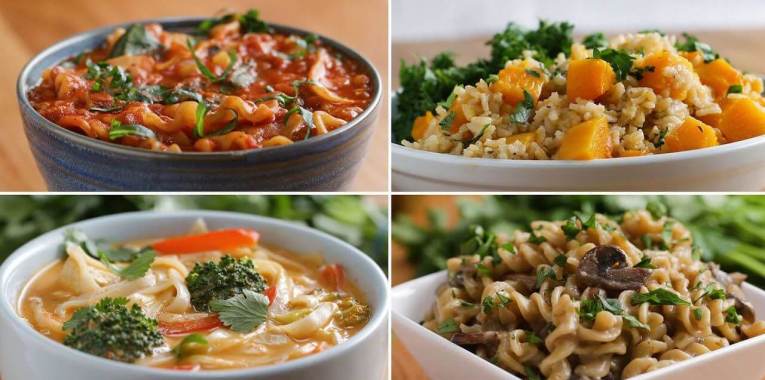
After a long day, preparing a healthy, home-cooked meal can feel overwhelming. That’s where one-pot recipes shine! These simple yet delicious dishes minimize cleanup, save time, and deliver nutritious results. Whether you’re feeding a family or cooking for yourself, these one-pot recipes are perfect for quick and healthy dinners.

1. One-Pot Chicken and Quinoa Skillet

This protein-packed dish combines lean chicken breast, nutrient-rich quinoa, and fresh vegetables in one pan. Start by sautéing diced chicken in olive oil until golden. Add chopped bell peppers, onions, and garlic for flavor. Stir in quinoa, low-sodium chicken broth, and your favorite seasonings. Let it simmer until the quinoa is tender and the chicken is cooked through. A sprinkle of fresh parsley adds a burst of freshness.

2. Hearty Lentil and Vegetable Soup

For a comforting yet healthy option, try a rich lentil and vegetable soup. In a large pot, sauté onions, carrots, and celery until softened. Add garlic, diced tomatoes, and dry lentils. Pour in vegetable broth and bring to a boil. Simmer for 30 minutes until the lentils are tender. Add spinach or kale just before serving for an extra boost of vitamins and minerals.

3. One-Pan Lemon Garlic Shrimp Pasta

This zesty seafood dish is perfect for busy nights. Start by cooking whole-grain pasta in a large skillet with just enough water to cover the noodles. As the pasta cooks, add garlic, cherry tomatoes, and shrimp directly to the pan. The shrimp cook quickly, absorbing the rich garlic-lemon flavor. Finish with a squeeze of fresh lemon and a sprinkle of parsley for a light yet satisfying dinner.

4. Spicy Black Bean and Rice Bowl

For a plant-based protein fix, this spicy black bean and rice bowl is a winner. Begin by cooking onions and bell peppers in a pot with a splash of oil. Add canned black beans, cooked rice, diced tomatoes, and your favorite spices such as cumin and chili powder. Stir well and simmer until heated through. Garnish with avocado slices and fresh cilantro for a delicious, wholesome meal.

5. Creamy One-Pot Mushroom Risotto

This creamy yet healthy mushroom risotto offers rich flavor without excessive calories. Start by sautéing mushrooms and onions in a pan. Add Arborio rice and toast it lightly before pouring in vegetable broth one cup at a time. Stir frequently until the rice is creamy and tender. A splash of low-fat milk and grated Parmesan adds creaminess without too much fat.

6. One-Pot Turkey Chili

This high-protein, low-fat turkey chili is both hearty and nutritious. In a large pot, brown lean ground turkey with onions and garlic. Add diced tomatoes, kidney beans, and corn, along with chili seasoning. Let it simmer for 20-30 minutes to develop bold flavors. Serve with Greek yogurt as a healthier alternative to sour cream.

7. One-Pot Asian Stir-Fry Noodles

For a quick and tasty dinner, try this stir-fry loaded with colorful veggies and noodles. Sauté bell peppers, broccoli, and carrots in a pan. Add cooked soba or whole-wheat noodles, soy sauce, and a dash of sesame oil for flavor. Toss everything together for a nutrient-packed meal that’s ready in minutes.

Conclusion

One-pot meals are perfect for busy cooks who want to maintain a healthy lifestyle without spending hours in the kitchen. By using fresh ingredients, lean proteins, and whole grains, you can create delicious, balanced dinners in no time. Give these one-pot recipes a try, and enjoy fewer dishes and more time to relax at the end of your day.

Girl in chef uniform with clock and veggies at kitchen stock photo

Time-Saving Kitchen Hacks for Busy Cooks

Introduction

Cooking delicious, home-cooked meals doesn’t have to be time-consuming. Whether you’re balancing work, family, or just a packed schedule, using smart kitchen hacks can save time and effort without compromising on flavor. Here are some practical tips to help you cook smarter, faster, and with less stress.

1. Organize Your Kitchen Efficiently

A well-organized kitchen is key to reducing time spent searching for utensils and ingredients. Use clear containers to store dry goods like pasta, rice, and flour. Label everything to avoid confusion, and group similar items together — spices in one place, baking essentials in another. Keeping your most-used tools easily accessible will drastically cut down on prep time.

2. Prep Ingredients in Advance

Spend some time on the weekend or on less busy days prepping key ingredients. Chop vegetables, marinate proteins, and portion out grains for the week ahead. Storing these in airtight containers keeps them fresh and makes weeknight cooking much faster.

3. Embrace One-Pot and Sheet Pan Meals

One-pot dishes like soups, stews, and pasta dishes minimize cleanup and simplify cooking. Similarly, sheet pan recipes allow you to roast everything — meat, veggies, and even sauces — all in one go. This technique saves both cooking time and washing up afterward.

4. Master the Power of Kitchen Gadgets

Investing in time-saving gadgets can transform your cooking routine. Use a food processor to quickly chop vegetables, a pressure cooker for fast stews, or an air fryer for quick, crispy meals. These tools minimize effort and maximize efficiency.

5. Cook in Batches and Freeze
Batch cooking is a lifesaver for busy individuals. Prepare large quantities of sauces, soups, or casseroles and freeze them in portions. On busy days, simply reheat and enjoy a homemade meal without the hassle of starting from scratch.

6. Use Pre-Cut and Pre-Washed Ingredients While fresh-from-scratch cooking is ideal, sometimes convenience wins. Pre-washed salad greens, pre-cut vegetables, and peeled garlic can shave minutes off your prep time. These options are perfect for when you’re in a pinch.

7. Optimize Your Cooking Order

Plan your steps strategically. Start cooking the ingredients that take the longest first. For example, put grains or roasted vegetables in the oven while you prepare the rest of your meal. Multitasking efficiently helps everything come together at the same time.

8. Clean as You Go

Keeping your workspace tidy as you cook can save time in the long run. Wash dishes, wipe counters, and discard scraps during downtime (like while food simmers or bakes). This ensures you won’t face a daunting cleanup when your meal is ready.

9. Create a Weekly Meal Plan

Planning your meals in advance saves time spent deciding what to cook. A solid meal plan helps you shop efficiently, ensures you have all necessary ingredients, and reduces last-minute takeout orders.

10. Embrace Leftovers Creatively

Transform leftovers into new dishes to reduce both cooking time and food waste. For example, roasted chicken can become tacos, salads, or pasta toppings the next day. This strategy makes meal preparation easier and tastier.

Conclusion
By incorporating these simple kitchen hacks into your routine, you’ll save valuable time and make cooking an enjoyable part of your day. Whether you’re a novice or experienced cook, these tricks can streamline your efforts and help you serve up quick, delicious meals with ease.