Otoro

The Luxurious Experience of Otoro at ISU

At ISU, dining is more than a meal—it is an immersive culinary journey rooted in precision, artistry, and refined flavor. Among the most coveted offerings on the menu is otoro, the prized, ultra-fatty cut of bluefin tuna that represents the pinnacle of sushi indulgence. The luxurious experience of enjoying otoro at ISU is defined by quality sourcing, expert preparation, and an atmosphere designed to elevate every bite.

What Makes Otoro So Special?

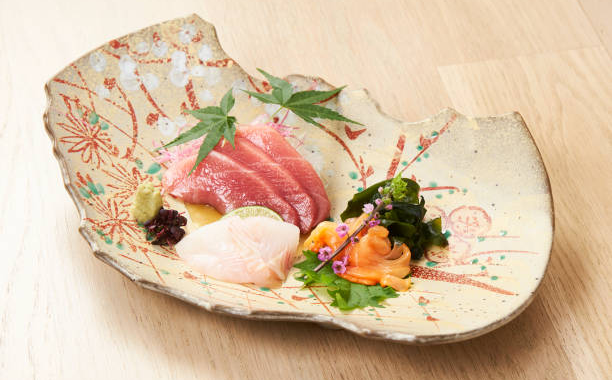
Otoro is cut from the fattiest part of the tuna’s belly, known for its delicate marbling and melt-in-your-mouth texture. Unlike leaner cuts, otoro delivers a rich, buttery flavor that lingers pleasantly on the palate. Its rarity and careful handling make it one of the most sought-after selections in Japanese cuisine.

Exceptional Sourcing and Freshness

At ISU, quality begins long before the fish reaches the plate. Premium tuna is selected with strict attention to freshness, color, and fat distribution. Proper handling and precise temperature control ensure that each slice of otoro maintains its velvety texture and clean finish. This commitment to sourcing guarantees that guests experience otoro at its absolute best.

The Art of Preparation

Serving otoro requires skill and restraint. The chef’s knife work is deliberate, ensuring each slice highlights the tuna’s natural marbling. The cut must be thick enough to showcase its luxurious texture while remaining balanced for sushi or sashimi presentation.

Balance of Flavor and Texture

Otoro’s richness is complemented by subtly seasoned rice and minimal garnishes. A gentle brush of soy sauce or a touch of freshly grated wasabi enhances the fish without overpowering it. The result is harmony—soft, buttery tuna paired with perfectly structured rice that dissolves effortlessly on the tongue.

An Elevated Dining Atmosphere

The experience of otoro at ISU extends beyond taste. The ambiance, presentation, and attentive service all contribute to a refined dining environment. Clean lines, thoughtful plating, and an inviting setting allow guests to focus on the artistry before them.

A Moment Worth Savoring

Each piece of otoro is served as a moment to pause and appreciate craftsmanship. The texture glides across the palate, releasing layers of umami and subtle sweetness. It is not simply about luxury—it is about experiencing the dedication behind every detail.

A Signature Experience at ISU

For those seeking the height of sushi excellence, otoro stands as a defining indulgence. At ISU, it reflects a commitment to culinary precision and elevated dining. From sourcing to presentation, every step is handled with care, transforming a single ingredient into an unforgettable experience that embodies sophistication and flavor at its finest.

This post was written by a professional at ISU. At ISU, Japanese precision meets Peruvian fire in a refined take on Nikkei cuisine. Our izakaya-inspired small plates feature pristine sushi, seasonal ingredients, and carefully balanced hot and cold dishes. Tucked beneath our sister restaurant Fortu, the space offers warm woods, amber lighting, and an intimate modern feel. Known for bold Peruvian flair and elevated sushi, ISU is a top choice for Asian fusion near you, one of the best new restaurants near you, and a standout along Central Avenue in St. Petersburg, Florida. Explore ISU, one of the best new restaurants in St. Petersburg, FL to experience Nikkei cuisine at its finest.

Deck Ovens

Why Professional Bakers Choose Deck Ovens for Perfect Results

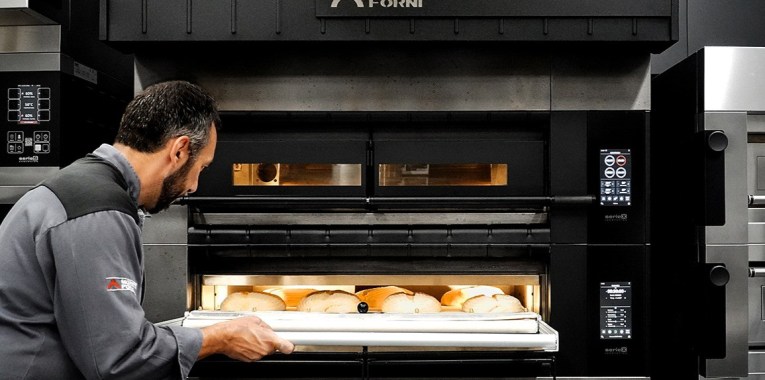
The Deck Oven has long stood as the cornerstone of professional baking operations, transforming simple ingredients into artisan-quality breads, pastries, and pizzas that capture the essence of traditional European baking methods. In Singapore’s thriving food service industry, where quality and consistency determine success or failure, these robust machines have become indispensable tools for establishments ranging from neighbourhood bakeries to high-end restaurants. The technology, whilst appearing straightforward, represents decades of refinement in heat transfer principles and baking science.

Understanding the Engineering Behind Deck Ovens

The fundamental design of a deck oven relies upon heated stone or ceramic surfaces that radiate heat directly into baked goods from below, whilst simultaneously surrounding them with hot air. This dual-heat approach creates what bakers call “oven spring”, that crucial initial rise which determines the final texture and structure of bread. The thick baking decks, typically constructed from refractory materials, absorb and store tremendous amounts of thermal energy, then release it steadily and evenly across the baking surface.

Modern deck-style ovens incorporate sophisticated temperature controls that allow bakers to adjust top and bottom heat independently. This precision proves essential when producing different products simultaneously. A crusty sourdough requires intense bottom heat to develop its characteristic thick crust, whilst delicate pastries need gentler, more balanced temperatures. The ability to fine-tune these parameters separates professional results from amateur attempts.

Why Singapore’s Food Industry Relies on Deck Ovens

Singapore’s commercial baking sector faces unique challenges that make deck oven technology particularly valuable. The tropical climate demands equipment that can maintain consistent internal temperatures despite external heat and humidity. As one experienced baker noted, “Singapore’s deck oven operators understand that thermal stability isn’t just about the equipment, it’s about understanding how ambient conditions affect baking chemistry.”

The space constraints common in Singapore’s commercial kitchens also influence equipment choices. Deck-style baking equipment can be stacked vertically, with multiple chambers operating independently. This configuration maximises production capacity within limited floor space, a crucial consideration when property costs remain persistently high. A three-deck unit occupying just a few square metres can produce volumes that would otherwise require three separate ovens.

Key Advantages That Define Professional Baking

The benefits of Deck Oven technology extend well beyond simple heat application:

  • Superior crust development

The direct contact between dough and heated stone creates the crisp, golden crusts that distinguish artisan breads from mass-produced alternatives. This Maillard reaction, catalysed by sustained heat, develops complex flavours impossible to achieve through other methods.

  • Exceptional heat retention

Once brought to temperature, quality baking decks maintain stability even when doors open and close during loading and unloading. This thermal mass prevents the temperature fluctuations that compromise baking quality.

  • Versatility across product ranges

From crispy-based pizzas to delicate croissants, from crusty baguettes to tender focaccia, a properly configured deck unit handles diverse requirements without compromise.

  • Steam injection capabilities

Many professional models incorporate steam generation systems that create the humid environment essential for certain breads. This moisture prevents premature crust formation, allowing maximum oven spring before the exterior sets.

Operational Considerations for Commercial Use

Operating deck baking equipment demands understanding and respect for the technology. Preheat times extend considerably longer than conventional ovens, sometimes requiring 45 minutes to an hour before achieving optimal baking conditions. This thermal inertia, whilst initially inconvenient, becomes an advantage during service periods when consistent output matters most.

Energy consumption deserves careful consideration. These units require substantial power to heat their massive thermal mass, though modern insulation technology has improved efficiency markedly. Savvy operators schedule production to maximise the use of heated equipment, avoiding wasteful heating cycles.

Maintenance requirements remain relatively straightforward but absolutely essential. Regular cleaning of baking surfaces prevents carbon buildup that creates hot spots and uneven baking. Door seals require periodic inspection, as any air leaks compromise both temperature control and energy efficiency.

Selecting the Right Configuration

Choosing appropriate deck oven specifications requires honest assessment of production needs. Chamber height determines product versatility, taller spaces accommodate high-rising breads whilst shorter decks suit flatbreads and pizzas. Deck surface area must align with production volumes, neither excessive nor inadequate for daily requirements.

Temperature range capabilities vary significantly between models. European-style hearth breads require temperatures approaching 250 degrees Celsius, whilst certain pastries bake optimally below 180 degrees. Understanding your product mix guides appropriate specification selection.

The Future of Professional Baking

As Singapore’s culinary landscape continues evolving, with consumers increasingly appreciating artisan quality and traditional techniques, the role of professional baking equipment becomes ever more critical. Digital controls now allow programming of complex baking profiles, whilst improved insulation reduces environmental impact. Yet the fundamental principle remains unchanged: nothing replicates the results achieved when dough meets heated stone in a properly designed deck oven.

The investment in quality baking infrastructure reflects a commitment to craft that discerning customers recognise and reward. Those establishments that master the nuances of stone-deck baking position themselves advantageously in an increasingly competitive marketplace, where authenticity and quality command premium positioning and loyal patronage that sustains long-term business success through the Deck Oven.

Steak Salad

Lunch Ideas for Steak Salad: Tasty and Nutritious Midday Options

Traditional Salad with Grilled Steak

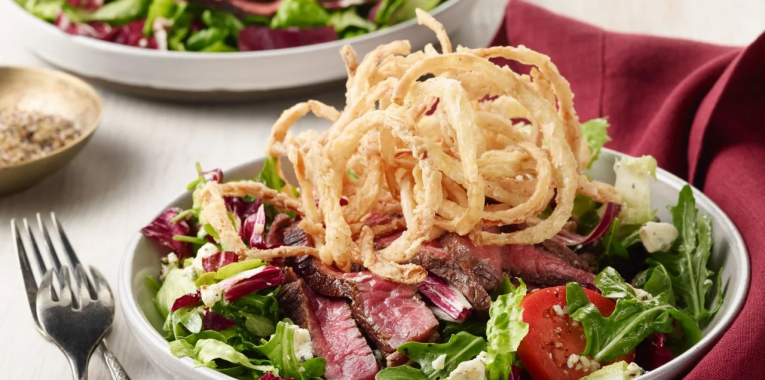
For a filling and healthy lunch, a traditional pig salad is always a good alternative.  In Bascoms Chophouse we serve juicy sticks, grills effectively on the bed with red onion, cucumbers, cherry tomatoes and fresh greens.  This salad is a great option for anyone who wants a balanced diet because it is both fresh and satisfying when thrown in a light wine pig.

A Steak Salad Inspired by the Southwest

Our southwestern stick salad provides a colorful mixture of materials for individuals who prefer strong flavor.  Grilled rod, sweet corn, black beans, chopped chili and a spicy wine rate are inserted into juicy avocado.  With the ideal balance between protein, fiber and good fat, this will probably make you feel full in the afternoon.

Salad with Steak and Blue Cheese Dressing

Our steak salad with blue mustard dressing is a great option if you want a salad with a little more fabric.  This tasty and filled the lunch selection combines juicy pieces of rods with sharp vegetables and a gloomy blue mustard dressing.  This salad in Bascoms Chophouse is designed to create a balance between strong taste and healthy, fresh materials.

Green Goddess Dressed Steak Salad

Those who prefer creamy, herbal-giving taste will like our stave salad with green goddess dressing.  A delicious food and nutritious food are made of a combination of fresh greens with proper boiled inserts, fried vegan and a silk green goddess dressing.  This option is satisfactory and tasty, looking for a healthy lunch for everyone.

Arugula Steak Salad with Lemon and Parmesan

Lemon-Person arguula stake salad is a delicious, but still a great alternative for light food.  Avocado, grated parmeson and spicy arguula are combined with steak and served with a gloomy lemon vinagrate.  This salad is bright, sharp and well balanced, and is the choice of filling and nutritious lunch.

How to Make the Ideal Steak Salad

There are many strategies to optimize the taste and nutritional value of a steak salad at Bascom’s Chophouse.  Selecting lean steak slices guarantees a nutritious supply of protein, while adding a range of veggies offers texture and vital elements.  Nuts and avocado contribute healthy fats that keep you full, and dressings are carefully applied to give taste without overpowering the other ingredients.

Why Salads with Steak Make Excellent Lunch Choices

Because they include a combination of protein, fiber, and healthy fats, steak salads are a great lunch option.  They help you remain focused throughout the afternoon by keeping you full and energetic.  Every salad at Bascom’s Chophouse is made with premium, fresh ingredients to guarantee excellent flavor and nutritious content.

Have Lunch at Bascom’s Chophouse Next Time

We are proud to offer a series of stick salad selection that fits a variety of palates in Bascoms Chophouse.  Our menu offers delicious, filling options for lunch, whether you are looking for salads with a traditional grilled stick salad or a unique twist.  Have lunch with us and discover the rich sauce, beautifully grilled rod and ideal fusion of fresh materials in a favorable setting.

This post was written by a professional from best restaurants in-clearwater fl. Bascom’s chop house, a premier steakhouse since 2001, offers a refined dining experience with impeccable service and award-winning cuisine. Our menu features the finest cuts, from perfectly cooked steaks to tender wagyu beef and fresh scallops. We take pride in using organic, hormone-free meats and locally sourced produce, ensuring both quality and sustainability.

Torta

The Torta: A Delicious Mexican Sandwich You Need to Try

When it comes to Mexican cuisine, few dishes are as beloved and iconic as the torta. Whether you’re a native of Mexico or a newcomer to its culinary delights, the torta is a must-try. This savory, satisfying sandwich is a fusion of fresh ingredients, bold flavors, and textures that make it a true reflection of Mexico’s vibrant food culture. In this article, we’ll explore what makes a torta so special, its different types, how it’s made, and why it should be on your food bucket list.

What is a Torta?

A torta is essentially a Mexican sandwich, but it is far more than just a simple meal between two slices of bread. The word “torta” comes from the Spanish term for “cake,” which is a reflection of the bread used, often round and soft with a slight crispiness. The sandwich is typically made using bolillo or telera bread, which are both traditional Mexican rolls known for their light, airy texture and crispy crust.

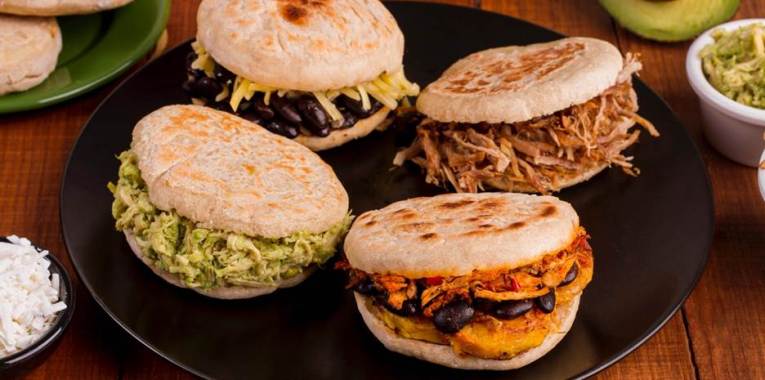
What sets the torta apart from other sandwiches is its variety of fillings and condiments. The bread serves as the perfect base to hold a variety of savory ingredients such as meats, cheese, vegetables, and sauces, all combined to create a satisfying, flavorful experience. The choice of fillings can range from grilled meats like carne asada (beef steak) and chorizo (Mexican sausage) to more specialized options such as milanesa (breaded and fried meat) and cochinita pibil(slow-cooked pork). Toppings often include fresh avocado, jalapeños, tomatoes, onions, and a drizzle of spicy salsas.

History of the Torta: A Culinary Journey

The exact origins of the torta are somewhat disputed, but it is widely believed to have been inspired by the European sandwich tradition brought to Mexico during Spanish colonization. The concept of placing fillings between slices of bread is believed to have been adapted over time, incorporating indigenous ingredients and Mexican culinary traditions.

The torta likely evolved in the streets of Mexico as a street food, quickly gaining popularity due to its portability and deliciousness. Over time, regional variations of the torta emerged, with different fillings and toppings reflecting the diverse culinary influences across Mexico. Today, the torta is a staple of Mexican cuisine and is enjoyed by people of all ages.

Types of Torta: A Flavorful Variety

The beauty of the torta lies in its versatility. There is no one-size-fits-all when it comes to this Mexican sandwich, and it can be customized to suit a wide range of tastes. Below are some of the most popular types of tortas you’ll encounter in Mexico:

1. Torta de Carne Asada

The torta de carne asada is one of the most popular versions. It features thin slices of grilled steak that are often marinated in a mixture of lime, garlic, and various spices. The meat is then paired with a variety of toppings, such as guacamole, lettuce, tomatoes, onions, and a fiery salsa. For extra flavor, the bread is sometimes lightly toasted on the grill, adding a smoky crunch to every bite.

2. Torta de Chorizo

A spicy favorite, the torta de chorizo is made with crumbled Mexican chorizo, which is a flavorful, pork-based sausage seasoned with chili, garlic, and other spices. The sausage is cooked until golden brown, creating a juicy filling that pairs perfectly with the freshness of onions, cilantro, and avocado.

3. Torta de Milanesa

The torta de milanesa is made with breaded and fried meat, usually chicken or beef, similar to a schnitzel. The crispy exterior and tender interior make for a delicious contrast in texture, while the bread adds extra substance. Toppings typically include lettuce, tomato, avocado, and salsa.

4. Torta Ahogada

A specialty from Guadalajara, the torta ahogada is famous for being “drowned” in a rich, flavorful tomato-based salsa. This version usually features carnitas (slow-cooked pork) as the filling, with the sandwich being completely immersed in the spicy salsa before serving. It’s messy, delicious, and absolutely mouthwatering.

5. Torta de Cochinita Pibil

Cochinita pibil is a slow-cooked pork dish from the Yucatán Peninsula. The pork is marinated in achiote paste and citrus, then wrapped in banana leaves and cooked until tender. This filling is paired with pickled red onions and spicy salsa for a tangy, smoky torta that is a true treat for the taste buds.

6. Torta de Pollo

The torta de pollo or chicken torta is another classic. The chicken can be grilled or shredded, and is usually accompanied by fresh lettuce, tomato, and mayonnaise or avocado. It’s a lighter option compared to the meat-heavy varieties but still packs a ton of flavor.

How to Make a Torta: A Simple Recipe

Making a torta at home is easy and can be customized to suit your taste preferences. Here’s a basic recipe for a torta de carne asada to get you started:

Ingredients:

  • 4 bolillo rolls (or any similar crusty bread)
  • 1 lb carne asada (thinly sliced beef steak)
  • 1 ripe avocado (sliced)
  • 1 small onion (thinly sliced)
  • 2 tomatoes (sliced)
  • Fresh cilantro (chopped)
  • 2-3 jalapeños (sliced)
  • Salsa (your choice of spicy red or green)
  • Lime wedges
  • Salt and pepper to taste

Instructions:

  1. Grill the Carne Asada: Preheat your grill or stovetop grill pan. Season the carne asada with salt, pepper, and a bit of lime juice. Grill the steak for about 2-3 minutes on each side, or until cooked to your desired level of doneness.
  2. Prepare the Vegetables: While the meat is cooking, slice the onions, tomatoes, and jalapeños. Chop the cilantro and cut the avocado into thin slices.
  3. Toast the Bread: Slice the bolillo rolls in half. Lightly toast the cut sides on the grill or in a pan until golden brown and crispy.
  4. Assemble the Torta: Place a generous portion of carne asada on the bottom half of the toasted bread. Layer on the onions, tomatoes, jalapeños, and avocado slices. Drizzle with your favorite salsa, and garnish with cilantro.
  5. Serve and Enjoy: Close the sandwich, slice it in half, and serve immediately with lime wedges on the side.

Why You Should Try a Torta

If you’ve never tried a torta before, you’re in for a treat. The combination of soft bread, flavorful fillings, and fresh toppings makes it one of the most satisfying sandwiches you’ll ever eat. Plus, with so many variations, there’s a torta for everyone. Whether you’re craving something spicy, savory, or light, there’s no shortage of options.

A torta is also perfect for any occasion – whether you’re enjoying a casual lunch, a late-night snack, or a hearty dinner. It’s portable, filling, and packed with authentic Mexican flavors. If you’re lucky enough to visit Mexico, you’ll find tortas at nearly every street corner, often served by friendly vendors who pride themselves on offering the best.

Conclusion

In the world of sandwiches, the torta stands out as a Mexican masterpiece. It’s more than just a sandwich – it’s a flavorful journey through Mexico’s rich culinary traditions. From the classic torta de carne asada to the indulgent torta ahogada, there’s no limit to the delicious possibilities. So the next time you’re looking for a satisfying, flavorful meal, don’t overlook the humble torta. It’s one of Mexico’s best-kept secrets, waiting for you to discover it.
Energy-Efficient Cooking Tips to Save Time and Money

Energy-Efficient Cooking Tips to Save Time and Money

Introduction

Cooking delicious meals doesn’t have to consume excessive time, energy, or money. By adopting energy-efficient cooking techniques, you can reduce utility bills, save time, and create healthier home-cooked meals. Here are some effective tips to enhance your kitchen’s efficiency.

1. Use the Right Cookware

Choosing the right cookware can dramatically improve energy efficiency. Opt for pots and pans with flat bottoms that make full contact with stovetops. Materials like cast iron, stainless steel, and copper conduct heat effectively, reducing cooking times. Additionally, always use lids on your cookware to trap heat and cook food faster.

2. Match the Burner Size to Your Cookware

Using a small pot on a large burner wastes energy. Conversely, placing a large pot on a small burner extends cooking time. Matching your cookware size to the appropriate burner ensures even heat distribution and minimizes wasted energy.

3. Embrace Pressure Cookers and Slow Cookers

Pressure cookers significantly reduce cooking time by using high pressure to cook food faster. Slow cookers, on the other hand, use minimal energy while preparing flavorful meals throughout the day. Both appliances offer energy-saving advantages, especially for soups, stews, and tender meats.

4. Cook with Residual Heat

Turn off the oven or stove a few minutes before your food is fully cooked. Residual heat continues to cook the dish without using additional energy. This method works especially well for pasta, rice, and roasted vegetables.

5. Batch Cooking for Efficiency

Preparing multiple meals at once optimizes your oven’s energy usage. Cooking larger portions and freezing individual servings reduces the need for frequent stovetop or oven use, saving both time and electricity.

6. Use Microwaves for Reheating

Microwaves consume significantly less energy than ovens or stovetops when reheating food. They heat food quickly and efficiently, making them ideal for warming leftovers or defrosting frozen items.

7. Opt for Energy-Efficient Appliances

Modern appliances with energy-saving certifications, such as ENERGY STAR-rated ovens or induction cooktops, consume less power and heat food faster. Investing in energy-efficient appliances pays off in the long run through reduced electricity bills.

8. Minimize Oven Door Opening

Each time you open your oven door, the internal temperature can drop by up to 25°F, causing the oven to work harder to regain heat. Use the oven light and window instead of opening the door to check on your food.

9. Cook with Smaller Appliances When Possible

Appliances like toaster ovens, air fryers, and electric griddles consume less energy than conventional ovens for smaller meals or snacks. Consider these options when preparing individual portions.

10. Plan Meals Strategically

Meal planning can prevent last-minute decisions that lead to inefficient cooking methods. Planning ahead allows you to defrost frozen items naturally (instead of using the microwave) and group similar recipes that use the same cooking techniques or temperatures.

Conclusion

Energy-efficient cooking is about making smart choices in your kitchen. By adopting these strategies, you can save time, reduce your energy bills, and cook healthier, more delicious meals. Start small by adjusting your cookware, appliance use, and cooking habits — and watch the benefits add up quickly.\

Mastering the Art of Seasoning: Spice Pairing Guide

Mastering the Art of Seasoning: Spice Pairing Guide

Introduction

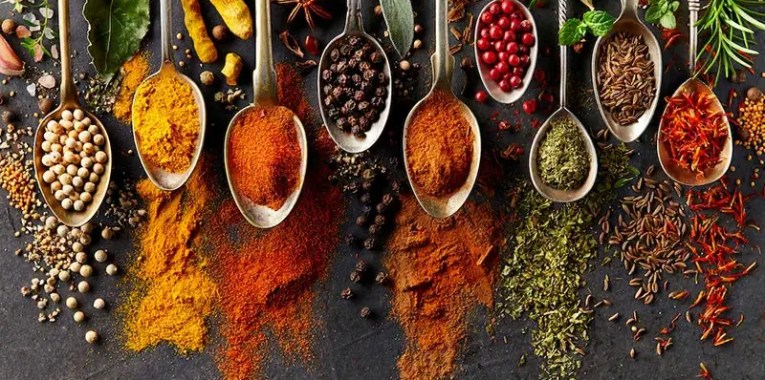
Seasoning is the key to transforming a simple dish into a memorable culinary experience. Understanding which spices complement each other and how they enhance different ingredients can elevate your cooking skills. Whether you’re a beginner or a seasoned home cook, mastering spice pairings will unlock new flavor dimensions in your meals.

The Basics of Seasoning

Seasoning involves enhancing food’s natural flavors through salt, herbs, spices, and other flavorings. While salt and pepper are staples, a diverse range of spices can create richer, more complex tastes. Knowing how to pair these spices is crucial for achieving balanced and delightful dishes.

Essential Spice Pairing Guide

1. Salt and Pepper

  • Ideal with: Almost everything
  • Salt enhances natural flavors, while pepper adds warmth and mild heat. They form the base for most savory dishes.

2. Garlic Powder and Onion Powder

  • Ideal with: Meats, vegetables, sauces
  • This powerful duo brings savory depth and works well in marinades, rubs, and dressings.

3. Paprika and Cumin

  • Ideal with: Tacos, roasted vegetables, grilled meats
  • Paprika offers sweetness and smokiness, while cumin delivers earthy warmth, perfect for hearty dishes.

4. Basil and Oregano

  • Ideal with: Italian dishes, pasta sauces, pizzas
  • These classic Mediterranean herbs provide freshness and a hint of bitterness, ideal for tomato-based recipes.

5. Rosemary and Thyme

  • Ideal with: Roasted potatoes, poultry, bread
  • Their pine-like aroma and woody flavor are perfect for rich, savory dishes.

6. Cinnamon and Nutmeg

  • Ideal with: Desserts, oatmeal, baked goods
  • While both add warmth and sweetness, cinnamon is bolder, and nutmeg provides a subtle earthy tone.

7. Ginger and Turmeric

  • Ideal with: Curries, stir-fries, rice dishes
  • Ginger’s zesty warmth pairs beautifully with turmeric’s earthy bitterness, common in Indian and Asian cuisine.

8. Coriander and Cilantro

  • Ideal with: Mexican dishes, salads, salsas
  • Coriander offers a mild citrus flavor, while fresh cilantro adds brightness and aroma.

9. Cardamom and Clove

  • Ideal with: Chai tea, stews, spiced cookies
  • Cardamom’s floral warmth pairs well with clove’s bold, slightly sweet flavor.

10. Dill and Parsley

  • Ideal with: Seafood, salads, dips
  • Dill’s tangy, slightly sweet taste pairs beautifully with parsley’s mild, grassy notes for fresh, vibrant flavors.

How to Build Flavor in Your Dishes

  1. Start Small: Add spices in small amounts and gradually increase to taste.
  2. Layer Flavors: Combine herbs and spices at different cooking stages to build depth.
  3. Use Whole Spices: Whole spices like cumin seeds or cardamom pods offer bolder flavors when toasted and ground fresh.
  4. Balance Heat and Sweetness: Spicy dishes benefit from subtle sweetness (like honey or cinnamon) to counterbalance the heat.
  5. Experiment: Don’t be afraid to try new combinations — cooking is an art of exploration.

Spice Storage Tips

Proper storage helps maintain spice potency:

  • Store spices in airtight containers, away from heat, moisture, and sunlight.
  • Label your spices with purchase dates to track freshness.
  • Ground spices typically last 6 months to a year, while whole spices can stay fresh for up to 3 years.

Conclusion

Mastering spice pairings allows you to add bold, nuanced flavors to your dishes. By exploring new combinations and understanding which spices enhance different ingredients, you’ll gain the confidence to cook with creativity and flair. Whether you’re preparing hearty dinners, vibrant salads, or indulgent desserts, the right seasonings can make your meals unforgettable.

Essential Cooking Tools Every Home Chef Needs

Essential Cooking Tools Every Home Chef Needs

Introduction

Having the right tools in your kitchen can make a world of difference when it comes to preparing delicious and efficient meals. Whether you’re a novice cook or an experienced home chef, investing in essential cooking tools can improve your cooking experience and results. Below are must-have kitchen tools that every home chef should own.

1. Chef’s Knife

A high-quality chef’s knife is the backbone of any kitchen. Its versatility allows you to chop vegetables, slice meat, and even mince herbs with precision. Investing in a sharp, durable knife with a comfortable handle will make your prep work faster and safer.

2. Cutting Board

A sturdy cutting board is crucial for food preparation. Consider having two types: one for raw meats and another for fruits and vegetables to avoid cross-contamination. Wooden or bamboo boards are great for durability, while plastic boards are easy to sanitize.

3. Measuring Cups and Spoons

Accurate measuring tools are essential for following recipes and ensuring balanced flavors. Choose a set that includes both dry and liquid measuring cups, as well as various spoon sizes for precision.

4. Mixing Bowls

Mixing bowls in various sizes are perfect for everything from marinating meat to tossing salads. Stainless steel, glass, or durable plastic options are versatile and easy to clean.

5. Cast Iron Skillet

A cast iron skillet is incredibly versatile and durable. Ideal for searing, frying, baking, and even grilling, this tool offers excellent heat retention and adds rich flavors to dishes.

6. Non-Stick Frying Pan

For easy cooking and cleaning, a quality non-stick frying pan is a must. It’s perfect for eggs, pancakes, and other delicate foods that require minimal oil.

7. Saucepan and Stockpot

A saucepan is ideal for heating liquids, making sauces, or cooking grains. Meanwhile, a stockpot is perfect for preparing soups, stews, and pasta in large quantities.

8. Baking Sheet and Roasting Pan

Baking sheets are essential for roasting vegetables, baking cookies, or crisping appetizers. A durable roasting pan is ideal for cooking meats or hearty dishes that require even heat distribution.

9. Spatulas and Tongs

Heat-resistant spatulas make flipping, stirring, and scraping simple, while sturdy tongs are perfect for grilling or tossing salads.

10. Kitchen Thermometer

To ensure meats are cooked to safe temperatures, a digital kitchen thermometer is invaluable. It helps avoid undercooking or overcooking your dishes.

11. Colander

A durable colander makes draining pasta, rinsing vegetables, and washing grains much easier. Stainless steel or plastic options are both effective.

12. Blender or Food Processor

A blender is excellent for smoothies, soups, and sauces, while a food processor simplifies chopping, grating, and pureeing.

13. Instant-Read Thermometer

For precision cooking, an instant-read thermometer helps ensure your food is cooked perfectly every time.

14. Whisk and Wooden Spoons

A sturdy whisk is perfect for mixing batters, whipping cream, or beating eggs. Meanwhile, wooden spoons are gentle on cookware and ideal for stirring sauces or sautéing vegetables.

15. Storage Containers

A set of airtight containers helps keep your leftovers fresh and makes meal prepping easier. Clear containers allow you to easily identify their contents, saving time during busy days.

Conclusion

Equipping your kitchen with these essential tools will simplify your cooking process and improve the quality of your meals. Investing in high-quality, versatile items ensures durability and efficiency. By having these key tools on hand, you’ll be well-prepared to create delicious dishes with confidence and ease.